 mikoo
mikooGuides / 2026-09-08
How to turn a product photo into a TikTok video (no filming)
Why a product photo dies in the TikTok feed, what a native-feeling clip actually needs, and the exact request that turns one photo into a 15-second vertical clip.
You have a product photo. TikTok wants a video. The gap between those two is usually a creator, a shipped sample and two weeks. Here is how to close it in one sitting, starting from the photo you already have.
Why the photo alone does not work
A still on TikTok is a slideshow post, and the feed treats it like one. Nothing moves in the first second, so nothing stops the thumb. Studio photos have a second problem: they look like the ad they are. The clips that get watched look like someone filmed the product in their own bathroom, because on TikTok that is what people came to see.
So the job is not "animate the photo". It is "make the clip that person would have filmed", with your product in it instead of a lookalike.
What a native clip needs
Four things, none of them technical:
- Vertical, 9:16. Full-screen or it reads as repurposed.
- Movement in the first second. A hand reaching for the product, a cap twisting. Not a logo fading in.
- Hands and room sound, not studio polish. A face turns it into an ad. Music turns it into a commercial. Hands plus the sound of the room turn it into a video someone made.
- 8 to 15 seconds. One doubt answered, then stop. For a serum the doubt is texture. For a candle it is atmosphere. Decide which before you start.
Step 1: upload the photo
One photo is enough, as long as the product and the label are clear. This is the one we used: a fictional serum, MAREN, on a plain background.
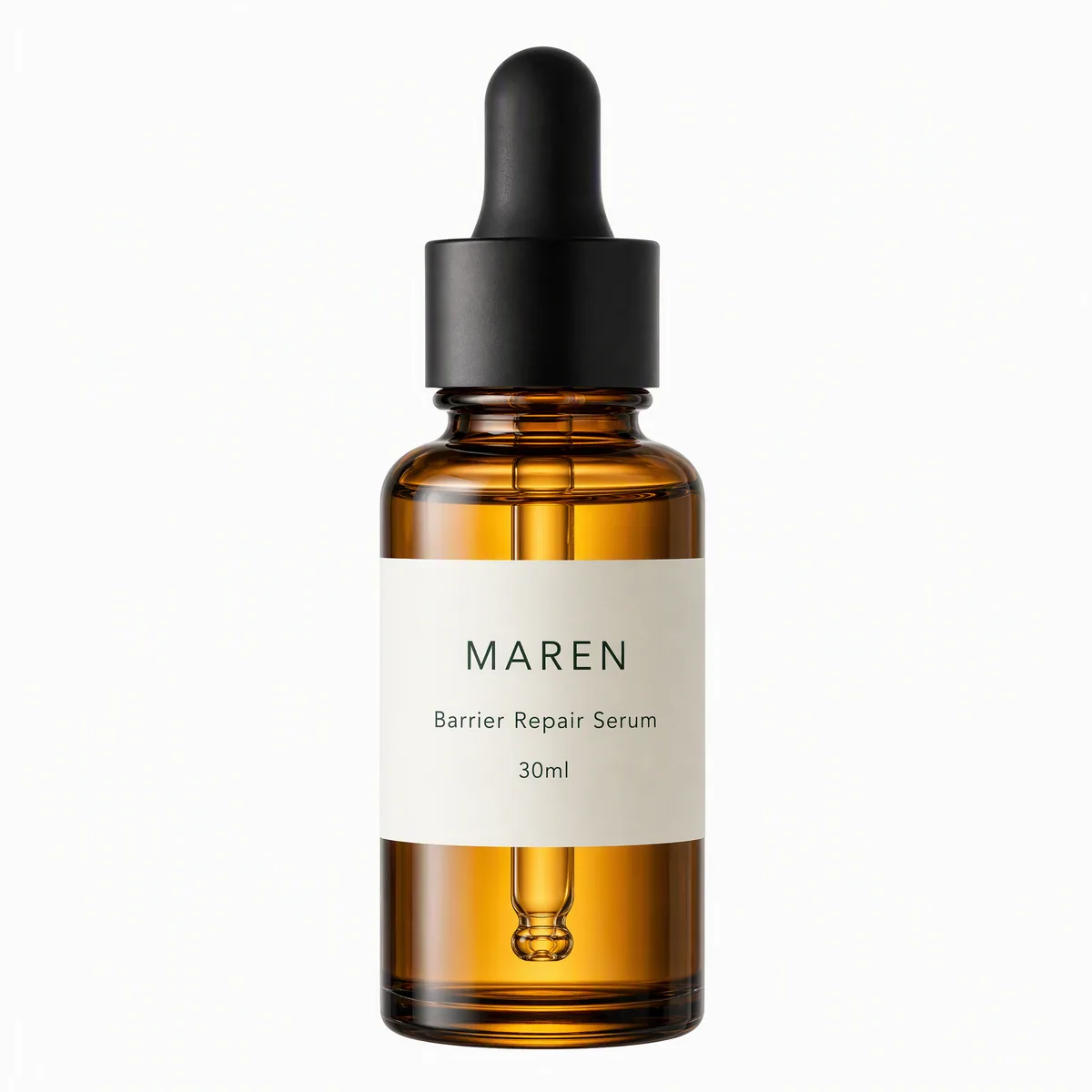
The agent locks onto this bottle. Every frame that comes back is this bottle, not a similar one.
Step 2: type the request
Say what the clip is for and what it should feel like. Do not describe camera settings.
A 15-second vertical UGC clip for TikTok, US audience. Hands only, no voiceover, keep the room sound, no music.
Each phrase steers something. TikTok, US audience sets the bathroom, the light and the pacing. Hands only keeps the product large in frame. Room sound, no music is what makes it feel filmed rather than produced. If a choice is genuinely yours, such as which step of the routine to show, the agent asks before it spends credits.
Step 3: what comes back
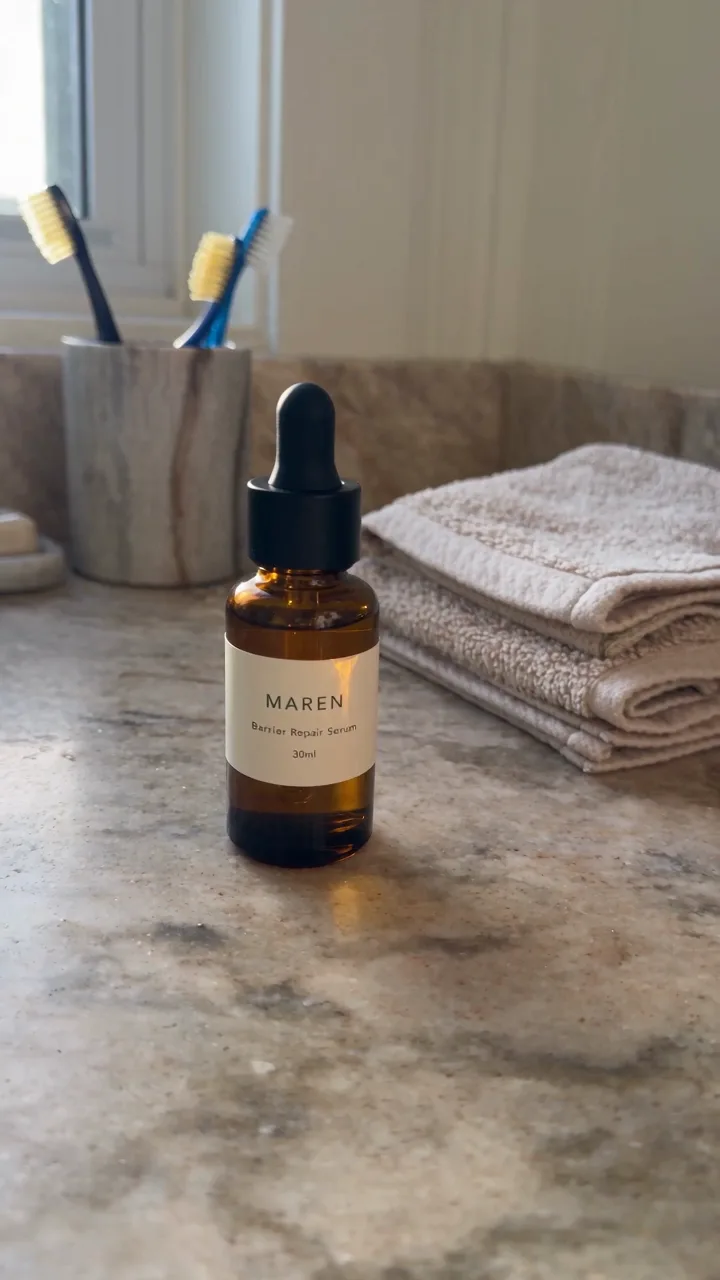
A single clip, five connected beats in one bathroom on one morning: pick up, twist the cap, squeeze the dropper, apply, glance at the mirror. This is a frame from it.
The same session also gives you stills from the same scene, useful for the cover frame or a carousel.
Variations worth asking for
The UGC clip is one shape. The same photo supports others, and the request is most of the difference.
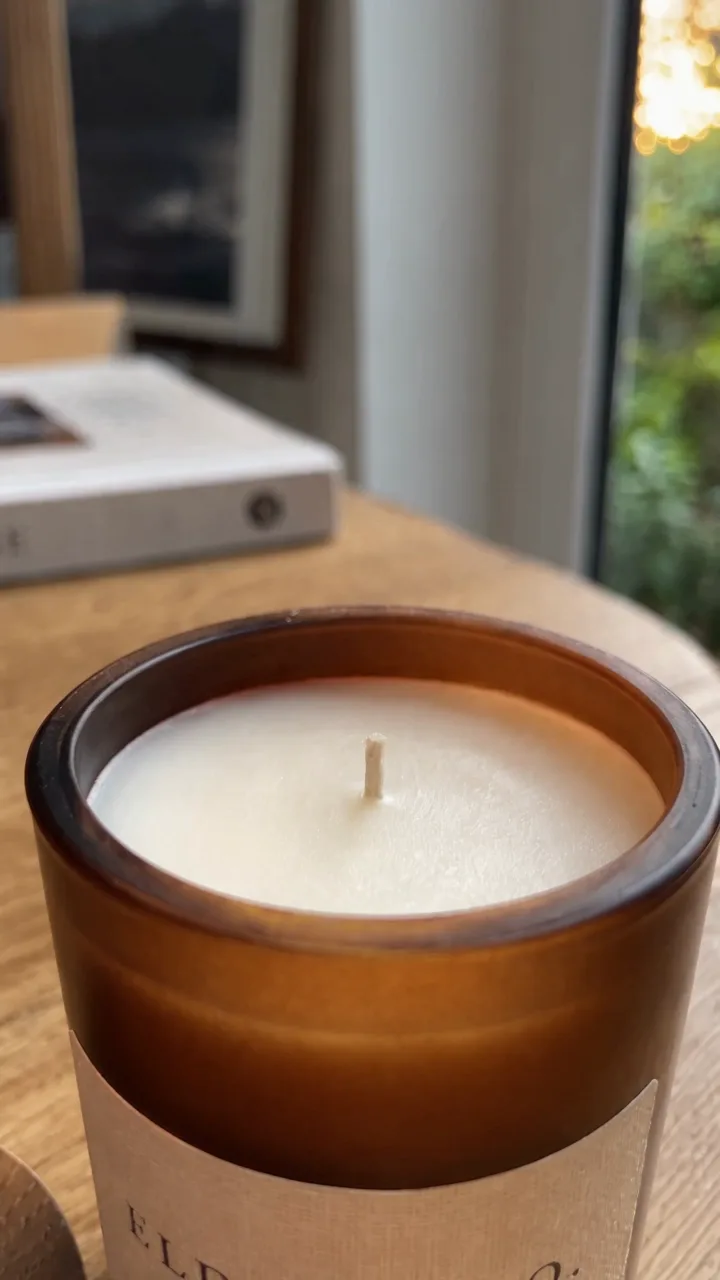
A product-page clip that sells atmosphere rather than routine:
Light it. Slow pull-back from the flame, evening warmth, 8 seconds, vertical.
That request, on a candle photo, gives a match, the wick catching, the camera easing back to show the jar on a table.
Other requests that work from one photo:
- A second UGC clip isolating a different doubt, same hands and bathroom, so you can test one variable.
- A 6-second top-down for the product page, no people at all.
- A version with a short voiceover, if your account style uses one.
Before you post
- Product accuracy. Compare the clip to your photo: cap, color, proportions. It should be the same object in every frame.
- Label legibility. Pause on the closest shot. If the name is not readable, ask for a tighter take.
- Claims. The clip shows the product being used. It does not say "repairs in 7 days", and it should not. Claims go in your caption, and they need to be true.
- Caption and hashtags are yours. The clip comes without text overlays, so what you write on TikTok is the only copy.
What this costs you
One photo, one sentence, and a few minutes. If the first clip is close but not right, say what is off and get another one from the same session. The product stays locked, so nothing needs re-uploading.